Why Foundation Cracks Matter in Deep River
Foundation cracks in Deep River and throughout Renfrew County are not simply cosmetic issues. Every crack in a basement wall or floor is a potential pathway for water entry, radon infiltration, and structural movement. The Canadian Shield climate — with its deep frost line (4–5 feet), repeated freeze-thaw cycles, and clay soils that expand and contract with moisture changes — creates conditions that cause foundations to move, settle, and crack in ways that differ from other regions of Ontario.
Homes in Deep River built on concrete foundations are subject to forces that drive crack formation. Frost heave pushes foundations upward when wet soils freeze and expand. Clay soils, common in low-lying areas near the Ottawa River, swell with moisture and shrink during dry periods, placing lateral stress on foundation walls. And the proximity of Canadian Shield bedrock means that foundations in some neighbourhoods bear directly on rock while others bear on soil — differential conditions that can cause uneven settlement cracking.
Understanding the type and cause of a foundation crack is the first step in determining the correct repair method. Not every crack needs the same treatment, and using the wrong approach can waste money or fail to address the underlying problem.
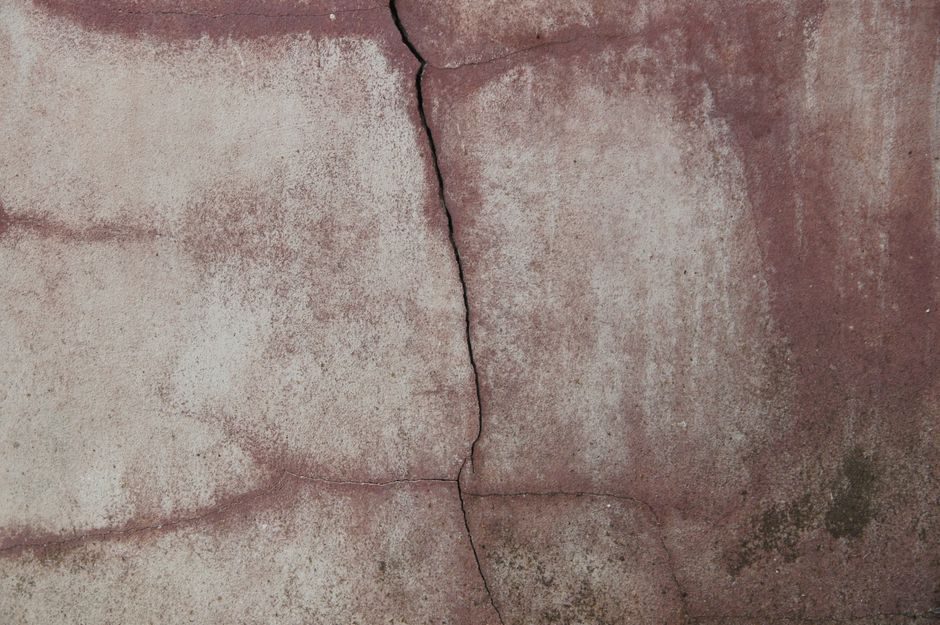
Types of Foundation Cracks
Hairline Cracks (Less Than 1/16 Inch)
Hairline cracks are common in concrete foundations and are typically caused by normal concrete shrinkage during the curing process, minor thermal expansion and contraction, or slight settling. In most cases, hairline cracks do not indicate structural problems and do not actively leak water. They can be sealed with polyurethane injection or a cement-based patching compound for aesthetic purposes. Monitoring hairline cracks annually is recommended — any widening over time should be evaluated by a professional.
Fine to Moderate Cracks (1/16 to 1/4 Inch)
Cracks in this range may allow water entry, particularly in Deep River where hydrostatic pressure from groundwater is common during spring snowmelt. These cracks are typically candidates for injection repair. If the crack is actively leaking during wet periods, polyurethane injection is the appropriate method — it expands to fill the crack and stops water flow. If the crack is dormant and requires structural restoration, epoxy injection can restore the concrete’s tensile strength. Cost: $300–$800 per crack for injection.
Wide or Structural Cracks (Over 1/4 Inch)
Cracks wider than 1/4 inch, horizontal cracks, cracks with vertical displacement (one side higher than the other), or stair-step cracks in block foundations may indicate structural movement. These require professional assessment to determine whether the foundation is still moving and what underlying issue is causing the movement — potentially poor soil compaction, frost heave, hydrostatic pressure, or tree root interference. Repair may involve epoxy injection combined with carbon fibre straps or steel wall anchors for reinforcement, or in severe cases, underpinning or foundation replacement. Cost per crack: $600–$1,500 for carbon fibre strap reinforcement, potentially more for structural intervention.
Horizontal Cracks
Horizontal cracks in basement walls are the most concerning type of foundation crack. They typically indicate lateral pressure from soil or groundwater outside the wall — hydrostatic pressure that is pushing the wall inward. In Renfrew County clay soils, this is a recognized issue. Horizontal cracks require immediate professional evaluation. Repair may involve carbon fibre straps, wall anchors, or helical tiebacks installed through the wall to counteract the lateral force. Depending on severity, the cost can range from $1,000–$5,000+ per wall section.
Polyurethane vs Epoxy Injection
Both polyurethane and epoxy injection are effective methods for repairing foundation cracks from the interior side, but they serve different purposes.
Polyurethane Injection
Polyurethane injection is a flexible, expanding resin specifically designed for active water-leaking cracks. When injected, the polyurethane reacts with water to expand and form a closed-cell foam that fills the crack from the inside out. The flexible nature of cured polyurethane allows it to accommodate minor crack movement without breaking the seal — an important property in Renfrew County, where freeze-thaw cycles cause foundations to expand and contract. Polyurethane injection is the preferred method for cracks that leak water during spring melt or heavy rainfall.
Epoxy Injection
Epoxy injection uses a rigid, high-strength adhesive that bonds concrete surfaces back together and restores the original tensile strength of the foundation wall. Epoxy is suitable for dormant, non-moving cracks where the primary concern is structural integrity rather than water stopping. Epoxy creates a bond stronger than the surrounding concrete, making it effective for stabilizing cracks and preventing further movement. However, if the crack is still moving due to ongoing settlement or frost heave, epoxy may crack again — addressing the underlying cause is essential before using epoxy.
| Factor | Polyurethane Injection | Epoxy Injection |
|---|---|---|
| Best for | Active water-leaking cracks | Structural restoration of dormant cracks |
| Flexibility | Flexible — accommodates minor movement | Rigid — strong but may crack with movement |
| Water stopping | Excellent (expands to seal) | Good (surface bond, less effective for flowing water) |
| Structural strength | Low (functional seal, not structural) | High (restores concrete strength) |
| Cure time | 1–4 hours | 4–24 hours depending on temperature |
| Cost per crack | $300–$800 | $400–$1,200 |
Carbon Fibre Straps for Structural Reinforcement
When a foundation wall has experienced significant cracking or bowing due to lateral soil pressure, carbon fibre straps provide a non-invasive reinforcement solution. Carbon fibre is extremely strong (stronger than steel by weight), lightweight, and resistant to corrosion. Straps are bonded vertically across the crack using high-strength epoxy, creating a reinforcement system that prevents further inward movement.
Carbon fibre straps are particularly useful in Renfrew County where exterior excavation for wall reinforcement may be impractical due to shallow bedrock. The straps are installed entirely from the interior side, require no excavation, and do not disrupt the exterior grade or landscaping. However, they do not stop water entry on their own — they are a structural reinforcement method that is typically combined with crack injection or interior drainage for comprehensive protection. Typical cost: $600–$1,500 per strap depending on wall height and the number of straps needed.
Canadian Shield Frost Heave and Crack Formation
Frost heave is a significant factor in foundation crack formation across Renfrew County, and particularly in Deep River where clay soils are common. When the ground freezes, moisture in the soil forms ice lenses that expand and push upward. This upward force can lift foundation walls and footings, particularly at corners or along sections where soil conditions vary.
During spring thaw, the ground settles unevenly as ice lenses melt from the top down. This differential movement stresses foundation walls, creating new cracks or widening existing ones. Homes built on foundations that do not extend below the frost line (4–5 feet in Renfrew County) are particularly vulnerable.
Annual crack monitoring — inspecting all visible foundation cracks in late fall and early spring — helps property owners identify changes early. A crack that widens, extends, or begins leaking after years of being dormant is a sign that underlying conditions are changing and should be professionally evaluated.